
Scuba Diving
- Costa Rica
Durations
1 Week
Difficulty
Easy
Min Age
0
Scuba Diving in Costa Rica Overview
The Pacific coast of Costa Rica attracts many divers because it’s been acclaimed as among the most stunning scuba spots on the continent. The Pacific is both the largest and the oldest ocean globally, and it’s home to 75% of all the ocean fish on Earth.
Highlights
- Diving in Costa Rica is available for beginners. While some tours require you to be PADI-certified, others in Guanacaste allow you to try out diving in open water without a license.
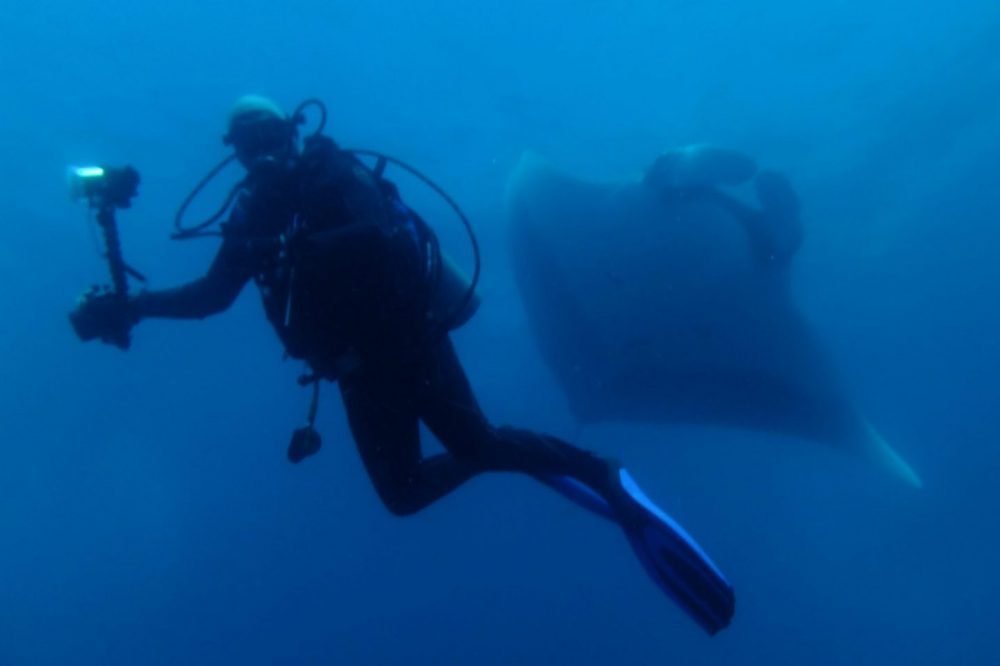
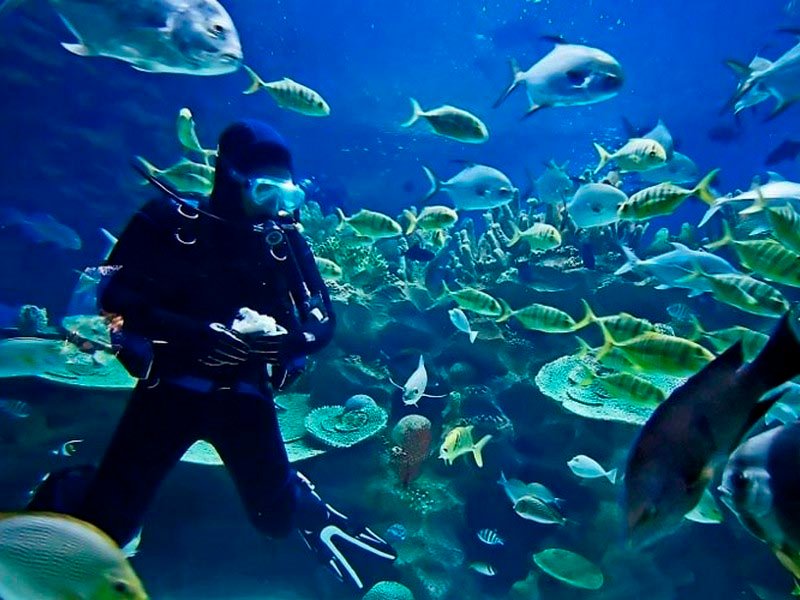
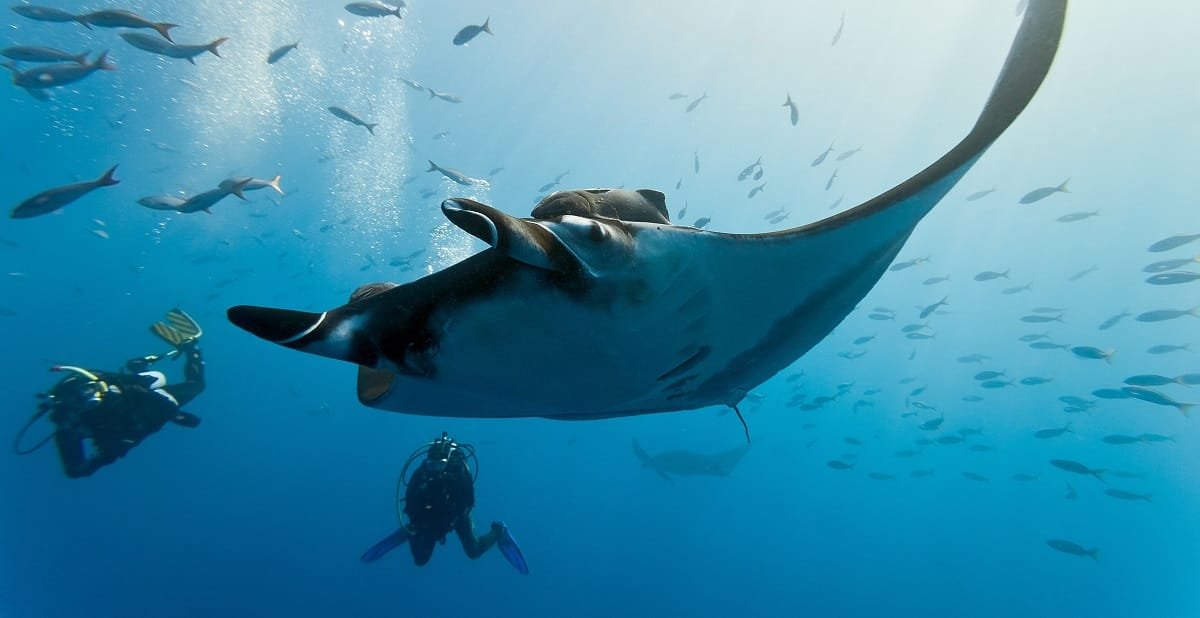
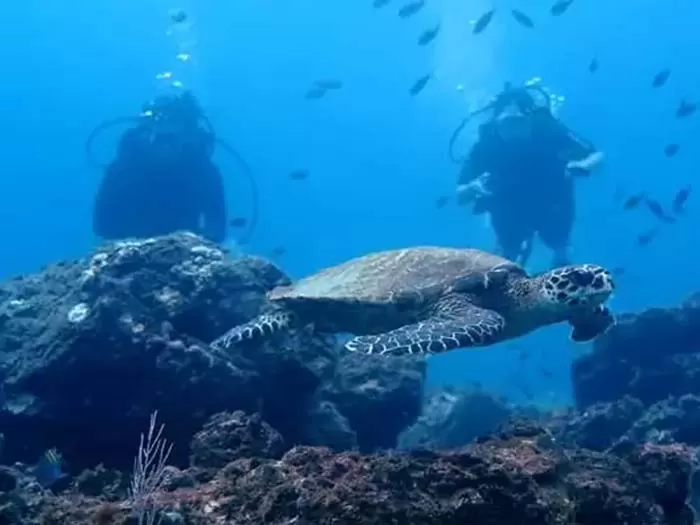
- Diving sites can offer sights such as turtles, manta rays, sharks, all kinds of tropical fish, and interesting rock formations.
- PADI-certified dive masters choose the best site based on the day’s conditions, including visibility, levels of plankton and nutrients in the water, and weather.
Enjoy Scuba Diving in Costa Rica
Costa Rica offers some of the most exciting scuba diving in Central America, with options ranging from beginner-friendly sites to world-class advanced destinations. The Pacific coast is the main hub, with visibility that usually ranges from 20 to 100 feet. Every region has its own highlights, so instead of one “best” place, divers can choose based on the experience they’re after.
The Catalina Islands off Tamarindo and Flamingo are famous for manta rays, stingrays, and vibrant schools of fish, while Playas del Coco and the Papagayo Gulf feature more than 20 sites within a short boat ride, including the Bat Islands, where experienced divers can encounter bull sharks. Further south, Caño Island near Uvita is considered one of Costa Rica’s top diving spots, with excellent visibility, healthy coral, and marine life ranging from reef fish and turtles to dolphins and, at times, even whales.
For advanced divers, Cocos Island is the crown jewel. This remote UNESCO World Heritage Site requires a liveaboard trip but rewards travelers with some of the most extraordinary diving on Earth. Hammerheads, whale sharks, rays, dolphins, and massive schools of fish make it a bucket-list destination.
Tours are available year-round, though August through December usually brings calmer seas. Beginners can get certified locally, and many operators combine diving with snorkeling trips for mixed groups. Whether you’re looking for your first open water dive or a once-in-a-lifetime expedition, Costa Rica’s variety of underwater experiences makes it an unforgettable place to explore the ocean.
La Catalinas
Accessible from Flamingo and Tamarindo, the Catalina Islands are home to some of the most exciting dive sites in the country. Divers find themselves surrounded by large schools of colorful fish, an abundance of manta rays and stingrays, and several species of sharks. This area also boasts unique rock formations where you can find Moorish idols, angelfish, jacks, snappers, grunts, octopus, eels, and so much more. On every dive, you’ll likely see something www. This area has several dive spots. The depths range from 40 feet to over 100 feet.
Activities
ATV Riding
Campfire
Hiking
Fishing
Exploring
Photography
Navigating
Rafting
Playas del Coco/Papagayo
There are over 20 dive sites within 20 minutes of Playas del Coco, offering the most incredible variety of fish and marine life. Popular spots include Punta Argentina, Punta Gorda, Monkeys Head, Tortuga, and the Bat Islands. There’s a dive spot for everyone, from beginners to advanced divers and everyone in between.
At Tortuga, you’ll find a sunken fishing boat, a shark cave, rock walls, and sand channels.
Punta Argentina is home to frogfish, octopus, and seahorses and is known for its immense schools of fish.
Monkeys’ Head is a volcanic rock that the ocean has worn away. It’s famous for eagle rays and stingrays.
Punta Gorda is where turtles and giant eels are frequently seen.
The Bat Islands are a definite favorite in the Playas del Coco area, where experienced divers can see bull sharks and giant Pacific manta rays. The site is not for the faint of heart.
Isla del Caño (Uvita/Drake Bay)
Isla del Coco
Isla del Coco is the jewel of all Costa Rica’s diving spots. A UNESCO World Heritage Site, this is an incredibly remote place, and a destination only for hardcore divers seeking schools of hammerhead sharks, mantas, marlin, sea turtles, white sharks, Galapagos sharks, whale sharks, tiger sharks, and silky sharks. A lot of sharks!
It takes around 36 hours to reach these waters from the mainland and the only way to dive here is via a live-aboard dive boat. Trips usually last seven days, including the journey to and from Puntarenas, with multiple dives per day.
Dives around Cocos Island have been described as “unparalleled” and “exceptional.” Advanced divers from around the world have Cocos Island on their must-see lists. It’s one of the best shark diving destinations worldwide. It’s also home to 27 endemic fish species, like the red-lipped batfish.
Gallery
FAQS
Is Costa Rica suitable for scuba diving?
Is Costa Rica suitable for scuba diving?
Costa Rica is acclaimed internationally for its scuba diving offerings.
How much does it cost to get scuba certified in Costa Rica?
How much does it cost to get scuba certified in Costa Rica?
Is Tamarindo suitable for scuba diving?
Is Tamarindo suitable for scuba diving?
YES, as are many dive spots in Guanacaste.
When can you see manta rays in Costa Rica?
When can you see manta rays in Costa Rica?
We recommend the Catalina Islands for spotting manta rays.
Where can you swim with sharks in Costa Rica?
Where can you swim with sharks in Costa Rica?
Ask us any Question
Book With Confidence
- No-hassle best price guarantee
- Customer care available 24/7
- Hand-picked Tours & Activities
- Free Travel Insureance
Need Help?
Check Other
Destinations
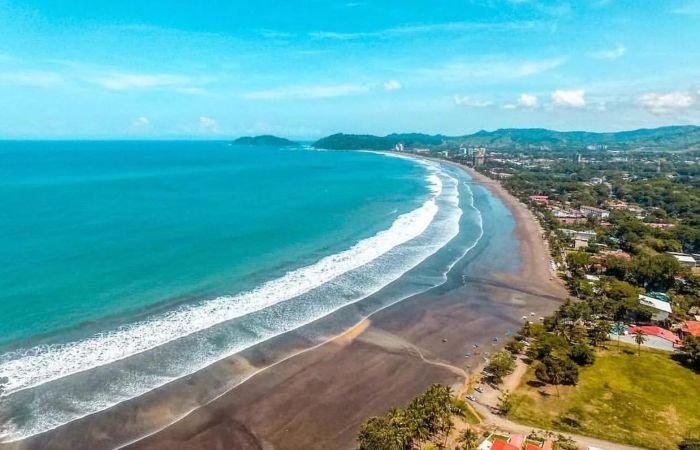
Jaco Beach
- Costa Rica
It’s Costa Rica’s main beach resort town, on the Central Pacific coast, only 1.5 hours away from San Jose.
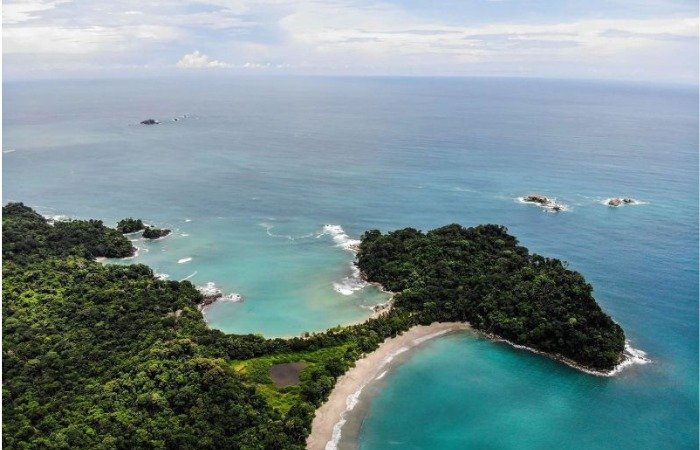
Manuel Antonio
- Costa Rica
Experience the beauty of Manuel Antonio, where lush rainforest meets pristine beaches for the perfect tropical escape in Costa Rica.
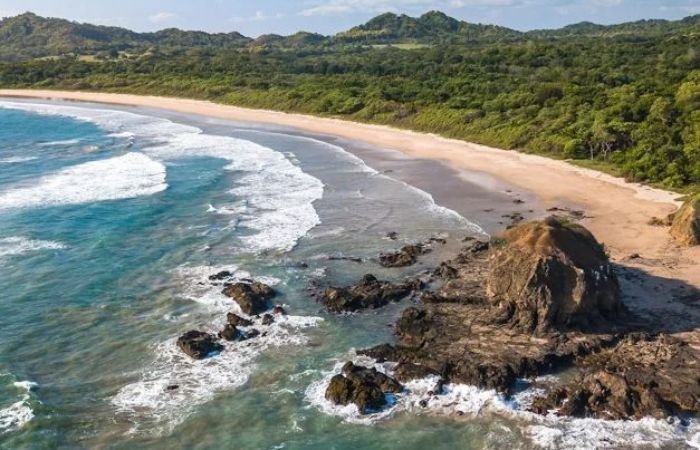
Tamarindo
- Costa Rica
Tamarindo is a beautiful beach community in Guanacaste, the heart of Costa Rica’s surf culture, and a vibrant community in its own right.