
Whale Watching
- Costa Rica
Durations
1 Week
Difficulty
Easy
Min Age
0
Enjoy the Best of Costa Rica's Whale Seasons!
Whale watching in Costa Rica is an awe-inspiring activity that lets you witness some of the world’s most majestic marine mammals in their natural habitat. The country’s Pacific coastline is a prime destination for observing humpback whales, with two main migration periods: December to March and July to October. During these times, whales journey from both the Northern and Southern Hemispheres to mate, give birth, and nurse their young in Costa Rica’s warm, protected waters. The best places for tours are the southern Pacific region around Uvita and the Osa Peninsula, Manuel Antonio, and, to a lesser extent, Guanacaste’s Gulf of Papagayo and Flamingo.
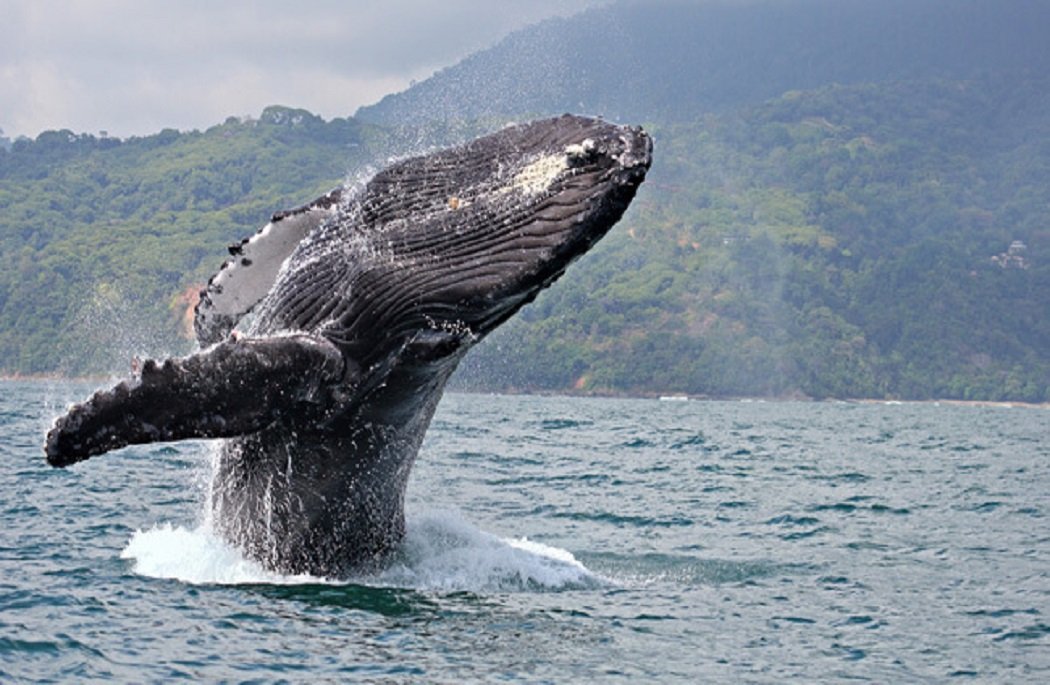
Tours usually depart by boat with expert naturalist guides who share insights about humpback behaviors, migration patterns, and local marine ecology. Out on the water, you’ll have the chance to see whales breaching, tail-slapping, or swimming close to the vessel. Many tours also encounter dolphins, sea turtles, and coastal birds. The experience is suitable for all ages and doesn’t require special skills, making it perfect for families, adventure seekers, and nature lovers alike.
Highlights
- See humpback whales up close. Enjoy unforgettable encounters with both Northern and Southern Hemisphere humpbacks, making Costa Rica’s season among the longest and most reliable in the world.
- Expert-led, educational experiences. Naturalist guides enhance your trip with fascinating tales of whale behavior, conservation, and Costa Rica’s marine environment.
- Family-friendly and accessible. The activity suits a wide age range, requires no special abilities, and offers options for combining with snorkeling or beach visits for a full day of fun and learning.
- Chance to spot additional marine life. Tours often also feature dolphins, sea turtles, and plenty of seabirds, adding to the adventure.
What to Expect when Whale Watching in Costa Rica
Whale watching in Costa Rica offers a chance to see humpback whales in their natural Pacific playground. These majestic mammals migrate to the country’s warm, protected waters to mate, give birth, and nurse their young, creating one of the world’s longest whale-watching seasons. Tours, led by expert naturalist guides, take you out on boats to witness whales breaching, tail-slapping, or swimming nearby. Suitable for all ages, the experience requires no special skills, making it ideal for families, adventure seekers, and nature lovers. You’ll also likely spot dolphins, sea turtles, and seabirds, adding to the thrill.
Costa Rica’s Pacific coast is a prime spot for humpback whale sightings, with migrations from both Northern and Southern Hemispheres. You might see a mother and calf gliding through the water or a whale leaping into the air, creating unforgettable moments. Guides share insights about whale behaviors, migration patterns, and marine ecology, enriching the trip. Tours often include extras like snorkeling or beach stops, blending relaxation with adventure.
Whale watching is best during two migration periods: December, January, February, and March for Northern Hemisphere humpbacks, and July, August, September, and October for Southern Hemisphere humpbacks. The August-to-November window, during Costa Rica’s green season, brings fewer crowds, cooler weather, and excellent sightings, with whales sometimes visible from shore. Tours run year-round, but these peak months align with migration patterns for the best chances to see humpbacks and their calves, often alongside dolphins or turtles.
Whale watching tours typically last two to three hours. You’ll head out on comfortable boats equipped with shade and seating, often including snacks or drinks. Expect to see humpbacks breaching or tail-slapping, with guides explaining their behaviors. Many tours also spot bottlenose, spinner, or spotted dolphins, sea turtles, or marine birds like pelicans. Wear sunscreen, a hat, and light clothing, and bring a camera for shots of whales or sunsets. Some tours offer snorkeling gear or beach landings for a fuller day. The activity suits kids and adults, with no experience needed.
Where to See Whales in Costa Rica
Guanacaste
The northwestern coast of Costa Rica in Guanacaste Province is great for dolphins. Take any kind of boat or catamaran trip and there’s a great chance of seeing spinner, spotted, bottlenose, and common dolphins jumping and playing around you. During both summer and winter migration seasons, humpbacks are not uncommon sights off the coast of Papagayo, Playa del Coco, Tamarindo, and other beaches.
Most whale and dolphin watching in Guanacaste comes from being on some other kind of boat tour rather than a specific, organized whale watching trip. Think sunset sailing, snorkeling, and fishing. That said, when humpbacks are around, many of these tours will try to get to where they’re at.
Nicoya Peninsula
Like Guanacaste to the north, the Nicoya Peninsula isn’t well known for whale watching tours, although you’ll certainly see both whales and dolphins in the ocean here. Again, it’s the humpback whales and dolphins in play off the Nicoya Peninsula. If you’re on a boat trip out of Santa Teresa, Montezuma, or Tambor, you might well see something.
Central and Southern Pacific
The Manuel Antonio/Quepos area is a great place for whale and dolphin watching. Again, this stretch of coastline is fertile ground for migrating humpbacks from both north and south, as well as the three species of dolphin found everywhere.
Below Manuel Antonio in the southern Pacific zone is the Dominical and Uvita area, home to the Marino Ballena National Park, which was set up to protect migrating whales. This is the capital of Costa Rica whale watching. Not only will you see both northern and southern humpbacks around here, but also pseudo-orcas and pilot whales. Organized dolphin and whale-watching tours depart daily. Whale watching in Uvita is such a part of life that the community even has a Whale and Dolphin Festival each year – normally in early September – to celebrate the lives of these animals.
Get In Touch
Whatsapp is the main form of communication for all of Costa Rica. We recommend getting this free app and communicating with us using the number below. However, if whatsapp is not your thing – feel free to email us or call our US line.
+506 6214 4422 – Whastapp
281-475-8124 – US
info@vacationpuravida.com
Esterillos Town Center, Local 7B, Esterillos Este, Costa Rica, 60901
Osa Peninsula
The Osa Peninsula is Costa Rica’s most popular destination for whale watching. It’s these waters, in fact, that give Costa Rica its reputation for having the longest humpback season in the world. Most tours depart from Drake Bay, although you can also catch day excursions from Puerto Jimenez, which will include the Golfo Dulce.
In addition to the humpbacks, you can spot pilot whales, pseudo-orcas whales, and all types of dolphins. Organized dolphin and whale-watching tours depart daily.
The Caribbean Coast
Gallery
FAQS
Is Costa Rica good for whale watching?
What time of year can you see whales in Costa Rica?
What is the best month to go whale watching?
August and September are probably the best individual months to go whale watching in Costa Rica, especially on the Central and Southern Pacific coast.
Can you swim with whales in Costa Rica?
Are there blue whales in Costa Rica?
Blue whales have been spotted off both coasts of Costa Rica, although they’re not familiar. These animals prefer colder waters to what Costa Rica has to offer.
Ask us any Question
Book With Confidence
- No-hassle best price guarantee
- Customer care available 24/7
- Hand-picked Tours & Activities
- Free Travel Insureance
Need Help?
Check Other
Destinations
Jaco Beach
- Costa Rica
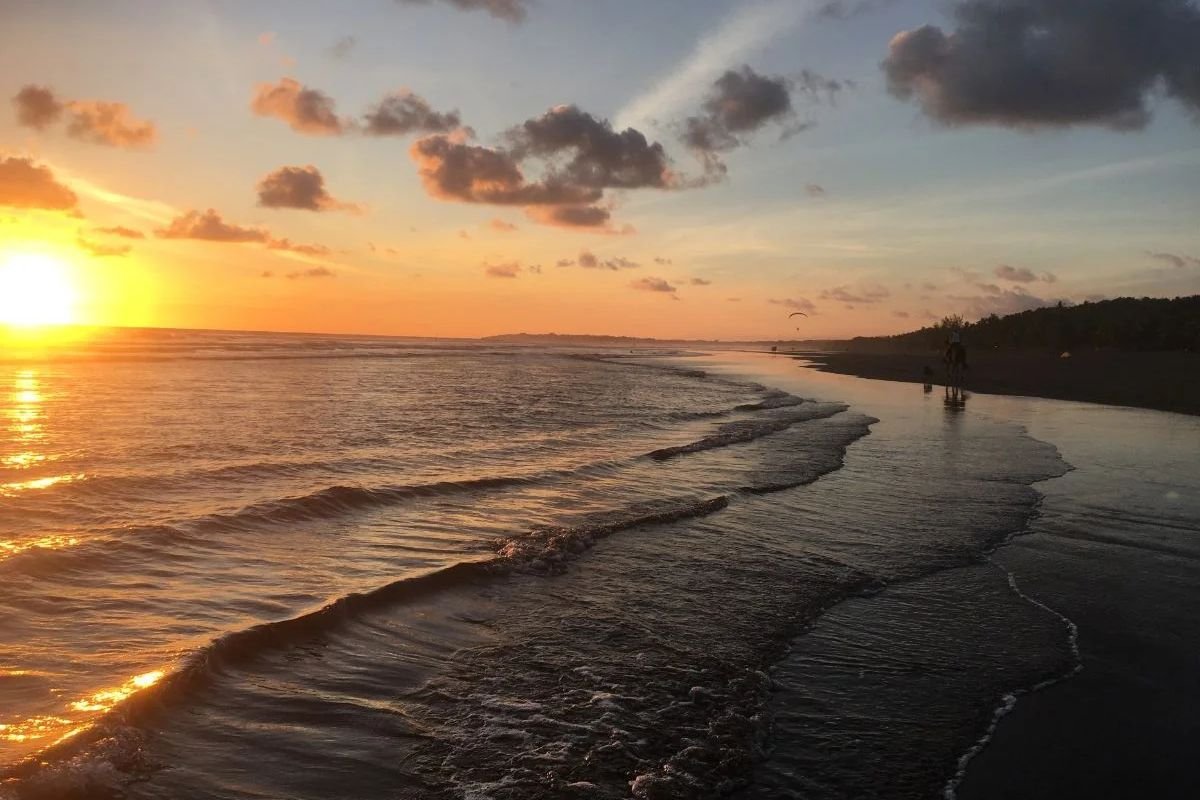
It’s Costa Rica’s main beach resort town, on the Central Pacific coast, only 1.5 hours away from San Jose.
Manuel Antonio
- Costa Rica
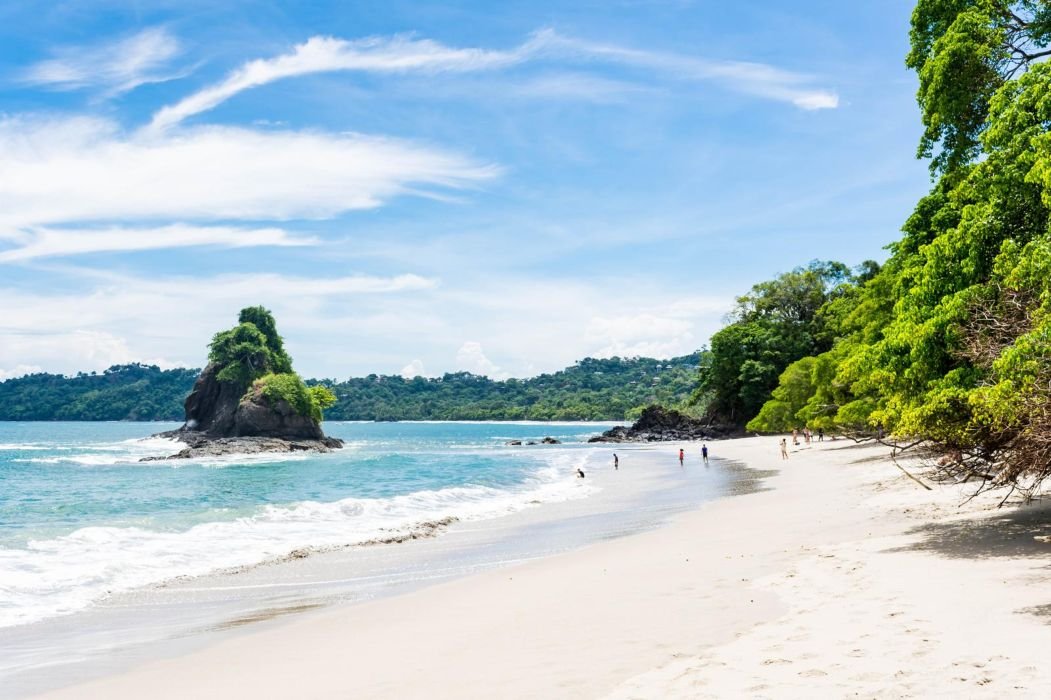
Experience the beauty of Manuel Antonio, where lush rainforest meets pristine beaches for the perfect tropical escape in Costa Rica.
Tamarindo
- Costa Rica
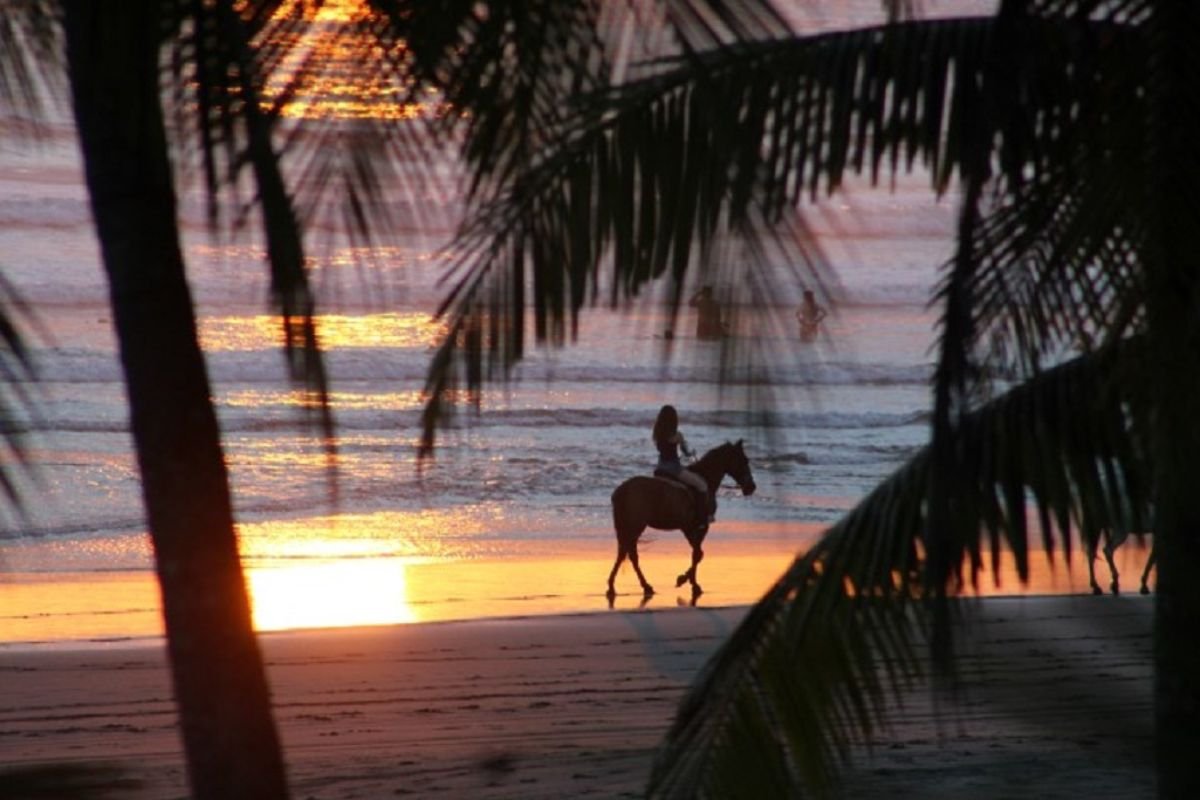
Tamarindo is a beautiful beach community in Guanacaste, the heart of Costa Rica’s surf culture, and a vibrant community in its own right.